
← BlogLab archive · See the new Blog Lab
Understanding Substance Use: From Experimentation to Recovery
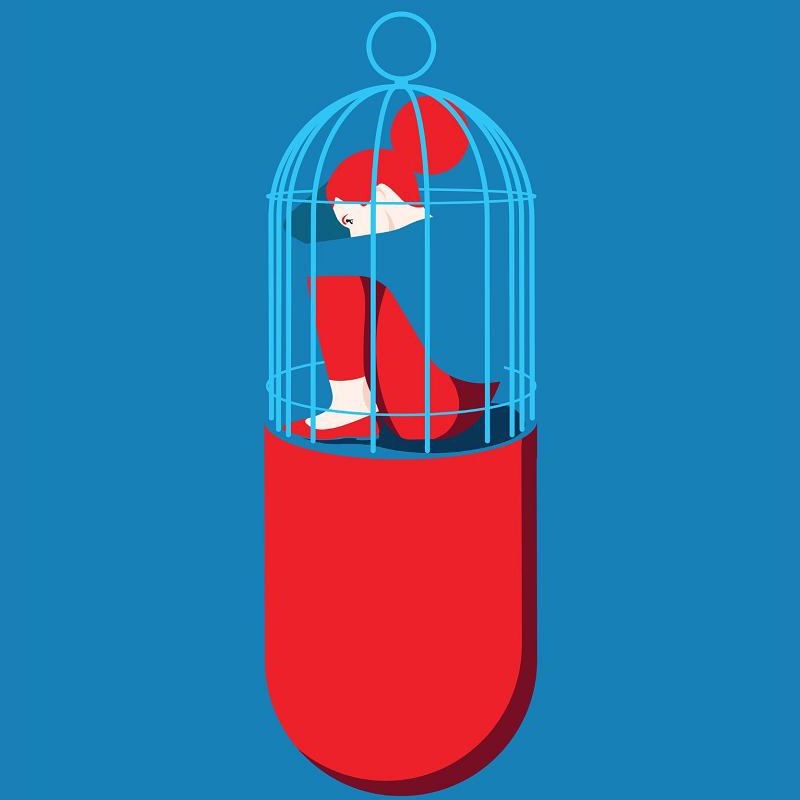
Substance use is a common part of modern life, yet it exists on a broad spectrum - from occasional, low-risk consumption to patterns that significantly impair health, relationships, and daily functioning. At The Psychology Lab in Phoenix, Arizona, our team of licensed psychologists and psychiatrists provides compassionate, evidence-based care for individuals and families navigating substance-related challenges. We understand that substance use is complex and rarely stems from a single cause. With the right support, change is not only possible but achievable.
Not all substance use is problematic. Many adults occasionally drink alcohol, use caffeine, or try cannabis without issue. Substance use simply refers to the consumption of any mind-altering substance. Problems arise when use becomes misuse - using more than intended, in risky situations, or despite negative consequences.
Substance Use Disorder (SUD) is a clinical diagnosis defined in the DSM-5. It involves a problematic pattern of substance use leading to significant impairment or distress. SUD exists on a continuum: mild, moderate, or severe. Key features include cravings, loss of control, tolerance, withdrawal, and continued use despite harm to health, work, or relationships. Severe SUD is often called addiction.
According to the 2024 National Survey on Drug Use and Health, approximately 48.4 million Americans aged 12 and older (16.8%) had a past-year substance use disorder. This includes about 27.9 million with alcohol use disorder and 28.2 million with drug use disorders. Many experience both.
Alcohol remains the most widely used substance, followed by cannabis, opioids, stimulants, and others. Each carries unique risks:
Substance use often co-occurs with mental health conditions such as anxiety, depression, trauma, or ADHD. This “dual diagnosis” requires integrated treatment addressing both issues simultaneously.
Our psychiatrists conduct thorough psychiatric evaluations to understand the full picture, including any co-occurring mental health conditions.
For opioid use disorder: buprenorphine, methadone, or naltrexone.
For alcohol use disorder: naltrexone, acamprosate, or disulfiram.
Medications reduce cravings and withdrawal while supporting therapy.
We address lifestyle factors - sleep, nutrition, exercise, stress management - and connect clients with community resources, peer support groups, and aftercare planning.
Our collaborative model allows psychologists and psychiatrists to work seamlessly together, ensuring coordinated, whole-person care.
Substance use does not define your worth or future. Millions of people achieve long-term recovery and go on to live fulfilling, connected lives. At The Psychology Lab , we have witnessed incredible transformations - from individuals rebuilding careers and families to those rediscovering joy and purpose.
Recovery is a journey, not a single event. Setbacks are part of the process and can become valuable learning opportunities. With compassionate support, neuroplasticity allows the brain to heal and form healthier pathways.
Located in Phoenix, The Psychology Lab provides confidential, expert care for substance use concerns in a supportive environment. We serve adults, adolescents, and families with individual therapy, psychiatric medication management, family counseling, and integrated dual-diagnosis treatment.
You are not alone. At The Psychology Lab , we are committed to walking with you toward healing, freedom, and a brighter future. Hope and recovery are within reach.
If you or someone you love is struggling with substance use, reach out today. Compassionate, effective help is available at The Psychology Lab .