Finding Calm Amidst the Storm: Understanding and Overcoming Anxiety
Finding Calm Amidst the Storm: Understanding and Overcoming Anxiety
Anxiety is more than occasional worry — it can become a persistent, overwhelming force that disrupts daily life, relationships, and overall well-being. At
The Psychology Lab in Phoenix, Arizona, our team of licensed psychologists and psychiatrists has helped countless individuals regain control and rediscover peace. We provide compassionate, evidence-based care tailored to each person’s unique experience with anxiety. If you’re struggling, know that effective help is available and recovery is within reach.
What Is Anxiety and Why Does It Happen?
Anxiety disorders involve excessive fear or worry that is difficult to control and often disproportionate to the situation. Common types include Generalized Anxiety Disorder (GAD), Panic Disorder, Social Anxiety Disorder, and specific phobias. These conditions arise from a complex interplay of genetics, brain chemistry, personality traits, life experiences, and environmental stressors.
According to the National Institute of Mental Health, an estimated 19.1% of U.S. adults experienced any anxiety disorder in the past year, with lifetime prevalence reaching 31.1%. Women are affected at higher rates (23.4% past-year prevalence) than men. In 2024, many adults reported feeling more anxious than the previous year, driven by concerns about the economy, current events, and daily pressures.
The body’s fight-or-flight response, designed for short-term threats, becomes chronically activated, flooding the system with stress hormones like cortisol and adrenaline. Over time, this can lead to changes in brain regions involved in fear processing and emotion regulation.
Recognizing the Signs and Symptoms
Anxiety manifests in physical, emotional, cognitive, and behavioral ways:
- Physical: Racing heart, shortness of breath, muscle tension, sweating, fatigue, headaches, or gastrointestinal distress.
- Emotional: Persistent worry, restlessness, irritability, or a sense of impending doom.
- Cognitive: Racing thoughts, difficulty concentrating, catastrophizing, or fear of losing control.
- Behavioral: Avoidance of situations, procrastination, or safety-seeking behaviors like excessive reassurance.
These symptoms can interfere with work, school, relationships, and even basic activities like driving or leaving home. Left untreated, anxiety often co-occurs with depression and raises risks for other health issues.
The Impact on Daily Life
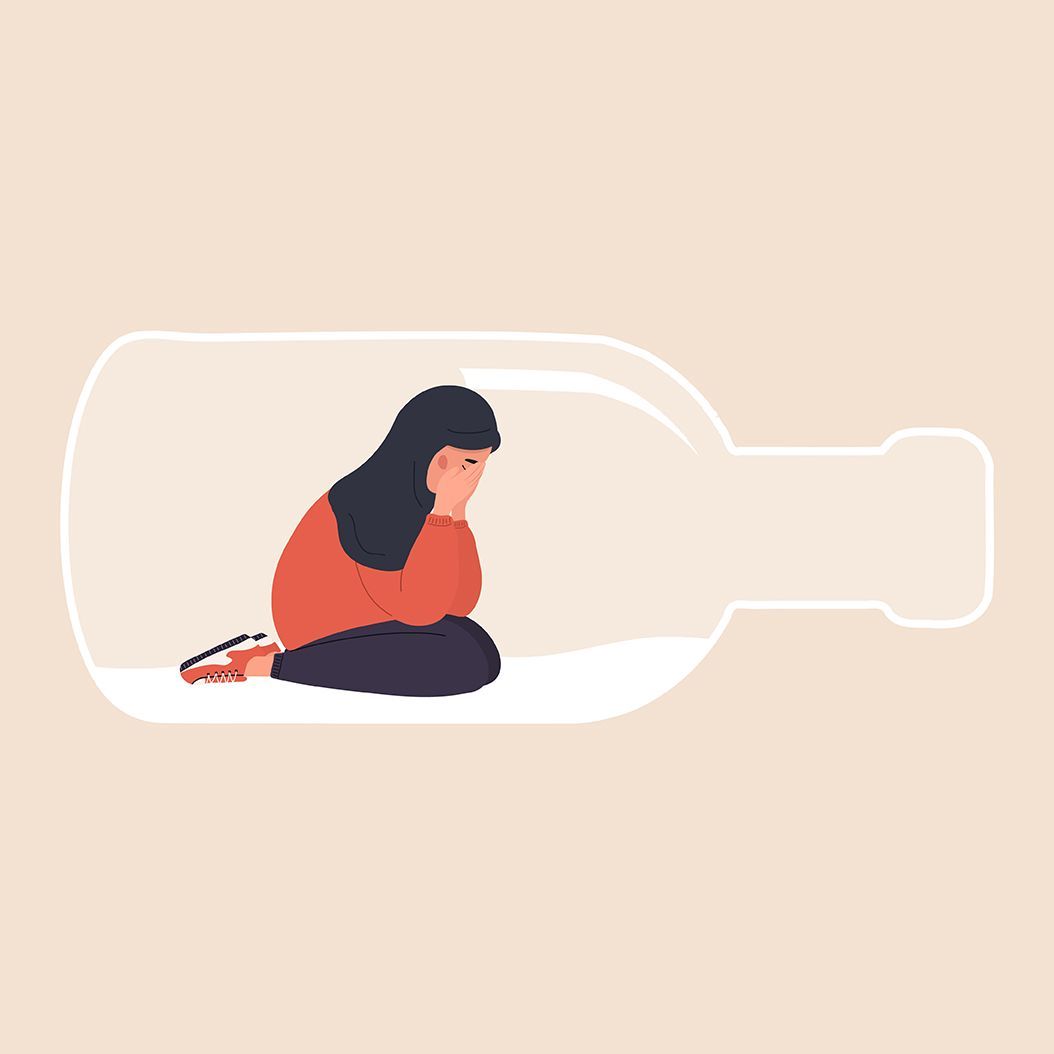
Chronic anxiety drains energy, impairs concentration, and strains relationships. Many people we see at The Psychology Lab describe feeling trapped — avoiding social events, struggling with sleep, or experiencing panic attacks that mimic serious medical conditions. The constant “what if” thinking can make even routine tasks feel overwhelming.
The encouraging news is that anxiety disorders are highly treatable. With proper support, most people experience substantial relief and improved quality of life.
Evidence-Based Strategies for Managing Anxiety
At The Psychology Lab, we use proven approaches grounded in science:
1. Cognitive Behavioral Therapy (CBT)
CBT is the gold-standard treatment for anxiety. It helps identify and reframe unhelpful thought patterns while gradually facing fears through exposure techniques. Research consistently shows CBT produces significant, lasting improvements.
2. Mindfulness and Relaxation Techniques
Mindfulness-Based Stress Reduction (MBSR) and breathing exercises (such as 4-7-8 breathing) activate the parasympathetic nervous system, reducing acute symptoms. Progressive muscle relaxation and grounding exercises (5-4-3-2-1 technique) interrupt anxiety spirals.
3. Medication Management
When needed, our psychiatrists provide expert guidance on medications like SSRIs or SNRIs. These can be highly effective alongside therapy, especially for moderate to severe anxiety.
4. Lifestyle Foundations
Regular exercise, consistent sleep, balanced nutrition, and limiting caffeine support nervous system regulation. We help clients build sustainable habits that reinforce treatment gains.
5. Acceptance and Commitment Therapy (ACT)
ACT teaches acceptance of anxious thoughts while committing to value-driven actions, helping people live fully even when anxiety is present.
When and How to Seek Professional Help
If anxiety interferes with daily functioning, persists for months, or includes panic attacks, it’s time to seek support. Early intervention prevents worsening and improves outcomes.
How The Psychology Lab Can Help You
The Psychology Lab offers integrated psychological and psychiatric services in one convenient Phoenix location. Our collaborative team creates personalized treatment plans that may include individual therapy, group support, family involvement, and medication management when appropriate.
We specialize in evidence-based care for anxiety, panic, social anxiety, GAD, and related conditions. Whether your anxiety is new or long-standing, we meet you with expertise and genuine compassion.
Take the first step toward calm today.
Call us at (602) 753-8835 or click the "Book Appointment" button (above) to schedule a confidential consultation.
A Message of Hope
Anxiety does not have to define your life. Many of our clients at The Psychology Lab move from constant worry to confident living. With the right tools and support, you can reduce symptoms, build resilience, and experience greater freedom and joy.
You are not alone — millions face anxiety, and effective help exists. At The Psychology Lab, we are committed to guiding you toward lasting relief and a more peaceful future.
Reach out to The Psychology Lab today. Your journey to greater calm starts with one courageous step. We are here to support you every step of the way.
Learn More About These Topics & How We Can Help: