
← BlogLab archive · See the new Blog Lab
Healing Childhood Trauma: Reclaiming Your Life
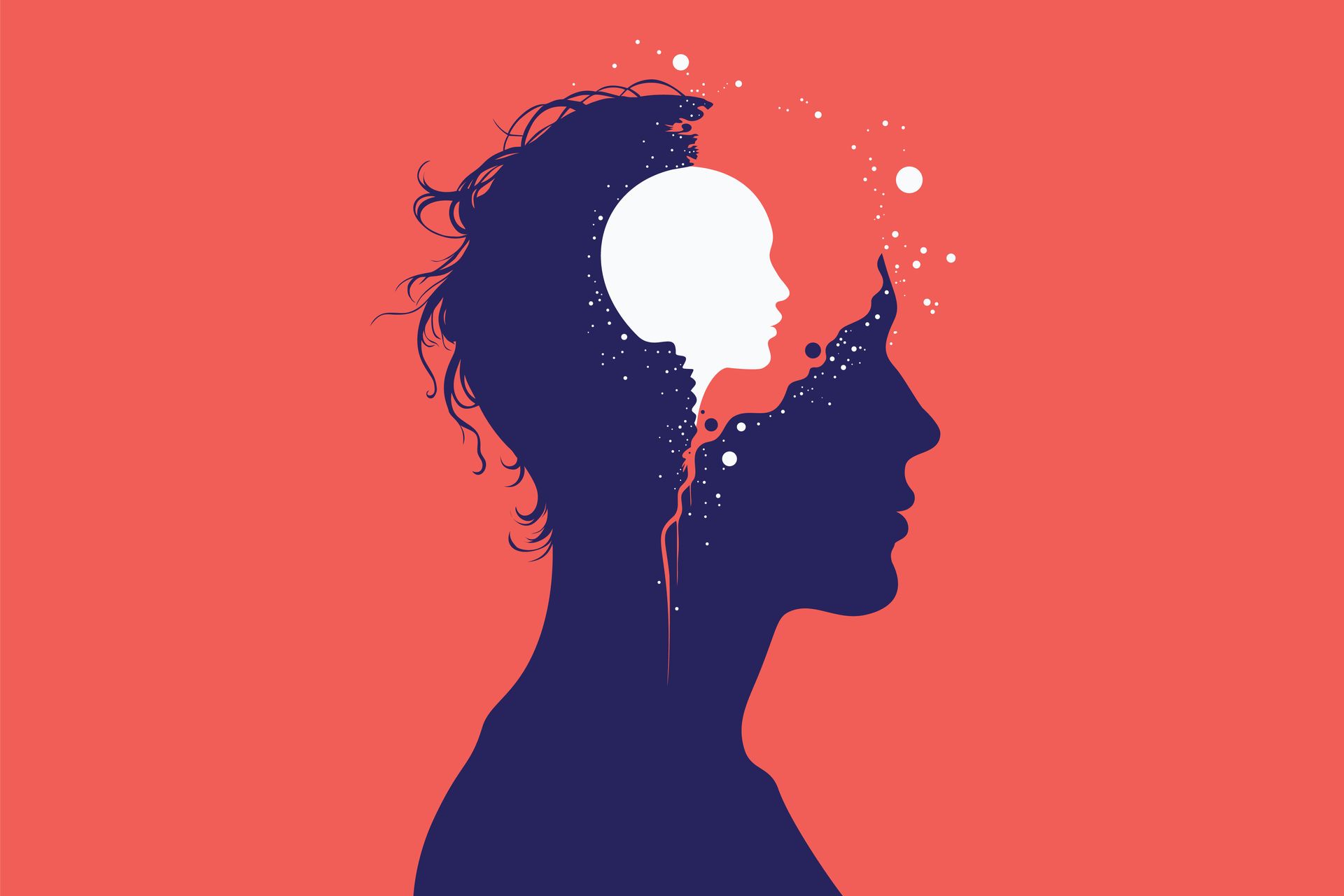
Childhood trauma leaves deep, often invisible marks that can influence every aspect of adult life. At The Psychology Lab in Sun City, Arizona, our team of licensed psychologists and psychiatrists specializes in helping individuals heal from these early wounds. We provide compassionate, evidence-based care that addresses both the psychological and biological impacts of trauma. If you experienced adverse events in childhood, know that healing is possible - and you don’t have to do it alone.
Childhood trauma, often measured through Adverse Childhood Experiences (ACEs), includes abuse (physical, emotional, sexual), neglect, and household challenges such as parental substance use, mental illness, divorce, domestic violence, or incarceration. These experiences overwhelm a child’s developing capacity to cope, especially without adequate support.
Recent data shows ACEs remain common. In 2023, approximately 37.5 - 37.7% of U.S. children experienced at least one ACE, with about 5% facing four or more. Among adults, roughly 61 - 63% report at least one ACE, and many carry the effects into adulthood.
Trauma during critical developmental periods alters brain structure and function. It can dysregulate the stress response system (HPA axis), shrink areas like the hippocampus (memory and learning), and heighten activity in the amygdala (fear center). These changes help explain lifelong patterns of hypervigilance, emotional dysregulation, and difficulty feeling safe.
Unresolved childhood trauma significantly raises risks for mental health conditions including anxiety, depression, PTSD, and substance use disorders. Physically, high ACE scores correlate with increased chances of heart disease, diabetes, autoimmune disorders, chronic pain, and even shortened lifespan. Preventing ACEs could reduce adult depression cases by as much as 78% and heart disease by 22%.
Many survivors struggle with core beliefs formed in childhood - “I’m not worthy,” “The world isn’t safe,” or “I must be perfect to be loved.” These beliefs often manifest as relationship difficulties, self-sabotage, perfectionism, emotional numbness, or repeating unhealthy patterns. At The Psychology Lab, we frequently see clients whose anxiety, depression, or relational challenges trace back to early trauma.
Children and teens may show trauma through behavioral changes, academic struggles, aggression, or withdrawal. Adults might experience intrusive memories, dissociation, trust issues, or chronic health symptoms. These responses were adaptive survival strategies at the time - your brain and body did what they needed to protect you.
Common adult manifestations include:
If these resonate, you are not broken. Your responses make sense given what you endured. Healing involves updating those old survival strategies with new tools for safety and connection.
Recovery is not linear, but profoundly transformative. At The Psychology Lab, we offer integrated care that combines psychological and psychiatric expertise:
Trauma-Focused CBT (TF-CBT), EMDR (Eye Movement Desensitization and Reprocessing), and Cognitive Processing Therapy help reprocess memories so they lose their emotional power. These approaches are highly effective for reducing PTSD symptoms and rebuilding a sense of safety.
Trauma lives in the body. We incorporate somatic experiencing, mindfulness, and yoga-informed techniques to release stored tension and restore nervous system regulation.
Our psychiatrists provide medication management when needed for anxiety, depression, or sleep issues, while psychologists focus on long-term skill-building and meaning-making.
Learn to offer yourself the nurturing you may have missed. Practices from self-compassion research help reduce shame and foster inner kindness.
For those addressing intergenerational patterns, family therapy can break cycles and create healthier dynamics.
Neuroplasticity means the brain can rewire at any age. Many survivors experience post-traumatic growth: greater resilience, empathy, creativity, and appreciation for life.
The Psychology Lab provides comprehensive, trauma-informed care in Sun City, AZ. Our collaborative team creates personalized treatment plans that may include individual therapy, EMDR, medication management, and family support. We specialize in adult survivors of childhood trauma, complex PTSD, and related conditions.
We understand the courage it takes to confront early pain. Our approach is warm, non-judgmental, and focused on empowerment. Whether your trauma is recent in memory or long-buried, we meet you where you are with evidence-based tools and genuine care.
Your ACE score does not define your destiny. Healing childhood trauma is an act of reclamation - one that honors your past while building a freer, more fulfilling future. Many of our clients at The Psychology Lab move from surviving to thriving, forming healthier relationships, pursuing meaningful goals, and breaking intergenerational cycles.
If you’re ready to begin, The Psychology Lab is here to help. You deserve safety, connection, and joy.
Healing is possible. At The Psychology Lab , we are honored to walk alongside you on this journey toward wholeness and renewed hope.
Your story matters, and recovery awaits. Reach out to The Psychology Lab - compassionate, expert support is just a call away.