Mastering Stress: Effective Techniques for a Calmer, Healthier Life
Mastering Stress: Effective Techniques for a Calmer, Healthier Life
In our fast-paced world, stress has become a constant companion for many Arizonans. Work demands, family responsibilities, financial pressures, and the lingering effects of modern life can leave us feeling overwhelmed, exhausted, and disconnected. At The Psychology Lab in Phoenix, our team of licensed psychologists and psychiatrists helps individuals move from chronic stress to greater balance and resilience. We combine evidence-based strategies with compassionate care to support lasting change.
Understanding Stress and Its Impact
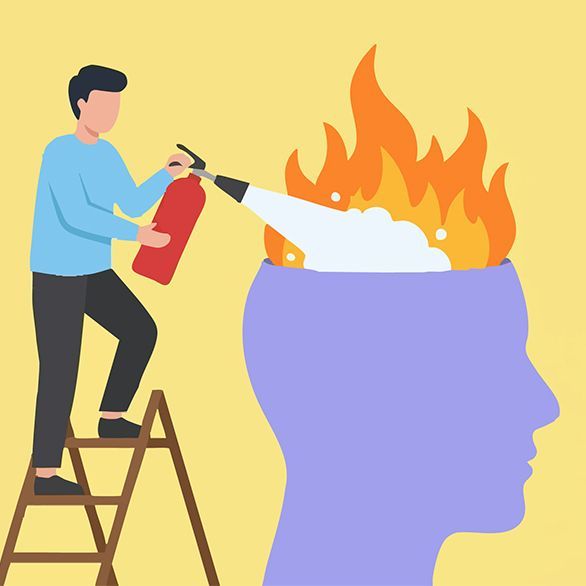
Stress is the body’s natural response to perceived demands or threats. In small doses, it can motivate and protect us. When it becomes chronic, however, it takes a serious toll. Prolonged activation of the fight-or-flight system floods the body with cortisol and adrenaline, leading to fatigue, irritability, sleep problems, weakened immunity, digestive issues, and increased risk for anxiety, depression, and cardiovascular problems.
Many clients who come to The Psychology Lab describe feeling “always on edge,” struggling to focus, or experiencing physical symptoms like tension headaches and muscle tightness. The good news is that stress is highly manageable. With practical tools and professional support, you can retrain your nervous system and build healthier responses.
Recognizing Your Personal Stress Signals
The first step in effective stress management is awareness. Common signs include:
- Racing thoughts or constant worry
- Physical tension (tight shoulders, jaw clenching)
- Emotional reactivity or feeling overwhelmed
- Sleep disturbances or fatigue
- Changes in appetite or reliance on unhealthy coping (overeating, scrolling, alcohol)
Keeping a brief stress journal for one week—noting triggers, symptoms, and reactions—often provides powerful insights. At The Psychology Lab, we help clients identify their unique patterns and develop personalized plans.
Evidence-Based Stress Management Techniques
Our clinicians draw from cognitive behavioral therapy (CBT), mindfulness, and positive psychology to teach practical, proven strategies:
1. Breathwork for Instant Regulation
Simple breathing exercises quickly activate the parasympathetic nervous system. Try the 4-7-8 technique: inhale quietly through the nose for 4 seconds, hold for 7, and exhale through the mouth for 8. Or practice box breathing (4-4-4-4). Just a few minutes daily or during high-stress moments can lower heart rate and cortisol levels significantly.
2. Mindfulness and Present-Moment Practices
Mindfulness reduces rumination and helps you respond rather than react. Start with short daily practices using body scans or the 5-4-3-2-1 grounding technique (name 5 things you see, 4 you can touch, 3 you hear, 2 you smell, 1 you taste). Research shows mindfulness-based stress reduction (MBSR) programs can reduce anxiety and improve emotional regulation within weeks.
3. Movement as a Powerful Reset
Physical activity is one of the most effective stress buffers. Aim for 150 minutes of moderate movement weekly—brisk walking, yoga, swimming, or dancing. Exercise boosts endorphins, BDNF (brain-derived neurotrophic factor), and overall mood. Even 10-minute movement breaks during the day make a difference.
4. Cognitive Reframing
Much of our stress comes from how we interpret events. CBT helps identify unhelpful thoughts (e.g., “I must handle everything perfectly”) and replace them with balanced perspectives. Scheduling “worry time” for 15 minutes daily can contain anxiety rather than letting it dominate your day.
5. Lifestyle Foundations
Prioritize sleep hygiene, balanced nutrition, hydration, and social connection. Set healthy boundaries, limit news and screen time, and schedule enjoyable activities. Strong social support and regular self-care practices act as powerful protective factors.
6. Progressive Muscle Relaxation and Somatic Tools
Tensing and releasing muscle groups from toes to head releases stored physical tension. Many clients benefit from combining this with somatic awareness techniques taught in our sessions.
When to Seek Professional Support
While self-help strategies are valuable, professional guidance is essential when stress interferes with work, relationships, sleep, or daily functioning—or when it leads to anxiety, depression, or burnout. Our integrated team at The Psychology Lab offers seamless care: psychologists provide therapy and skill-building, while psychiatrists offer medication management when needed.
How The Psychology Lab Can Help You Manage Stress
The Psychology Lab provides comprehensive, personalized stress management support in Phoenix. We offer individual therapy, skills-based groups, mindfulness training, and psychiatric evaluation under one roof. Our trauma-informed, evidence-based approach addresses both immediate stress relief and long-term resilience.
Whether you’re dealing with work burnout, parenting stress, life transitions, or chronic worry, we create tailored treatment plans that fit your life and goals. Many clients report noticeable improvements in mood, energy, focus, and relationships within the first few weeks.
Take the first step toward a calmer life today.
Call us at (602) 753-8835 or click the "Book Appointment" button (above) to schedule a confidential consultation.
Stress management is ultimately an act of self-compassion. By investing in these practices and seeking support when needed, you’re not just coping—you’re building a more balanced, fulfilling life. At The Psychology Lab, we are honored to partner with you on this journey.
You deserve to feel calmer, more present, and in control. Reach out today—lasting relief and greater well-being are closer than you think.
Your mental health matters. Contact The Psychology Lab for expert, compassionate support tailored to your needs.
Learn More About These Topics & How We Can Help: